The Boys Finale Reused a Major Comic Ending Twist — And It May Have Hurt the Show!
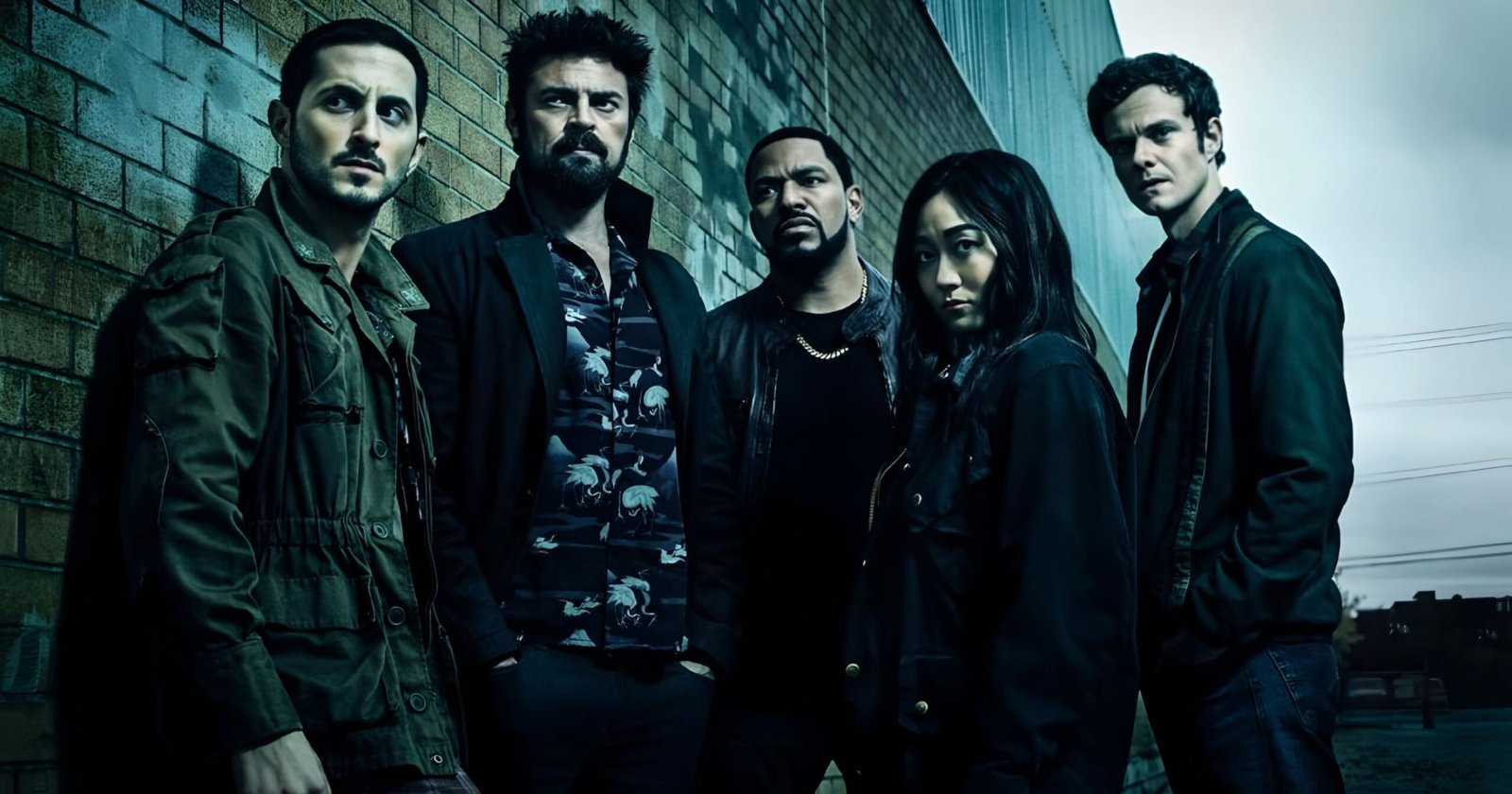
The finale of The Boys shocked viewers by closely mirroring a major arc from the original comics by Garth Ennis and Darick Robertson.
Full Story Breakdown
Interestingly, this creative decision sparked mixed reactions across the fanbase. While some viewers appreciated the bold storytelling direction and emotional weight, others felt it reduced the show’s originality and unpredictability, which had been one of its strongest elements since the beginning.
Moreover, the episode titled “Blood and Bone” pushes the narrative into a darker and more fatal direction than many expected, especially considering how previous seasons often subverted comic expectations instead of following them closely.
Butcher’s Final Plan Changes Everything in The Boys
In the finale, Billy Butcher’s arc reaches its breaking point. After losing Becca, facing rejection from Ryan, and the emotional weight of Terror’s death, he becomes completely consumed by revenge and moral collapse.
Consequently, Butcher decides to release a virus designed to kill all superhumans, believing it to be the only way to permanently end the cycle of violence between Supes and humans.
This moment significantly shifts the tone of the story. Instead of redemption or compromise, the plot leans heavily into destruction, inevitability, and moral ambiguity. It also highlights how far Butcher has fallen from a man driven by justice into someone willing to commit global-scale genocide.
Hughie’s Shocking Choice and the Final Confrontation
As the story progresses, Hughie Campbell is forced into an impossible situation where personal loyalty clashes with global survival. Eventually, he confronts Butcher alone, a decision that has become one of the most heavily debated choices in the finale.
This decision has been widely criticized and analyzed by fans. Although the rest of The Boys team is still alive and capable of helping, Hughie chooses to act without backup, which dramatically increases the emotional intensity but also raises questions about strategy and logic.
During their confrontation, Butcher even warns him that he should have “brought an army.” This line subtly reinforces the idea that Hughie is overwhelmed by emotion rather than strategy. Later, Hughie realizes the truth too late and regrets not involving the others, especially after understanding Butcher’s full intent to unleash the virus.
Ultimately, Hughie kills Butcher, ending the conflict in a tragic and emotionally heavy climax that reinforces the series’ recurring theme: no victory comes without loss.
How The Boys Mirrors the Comic Ending
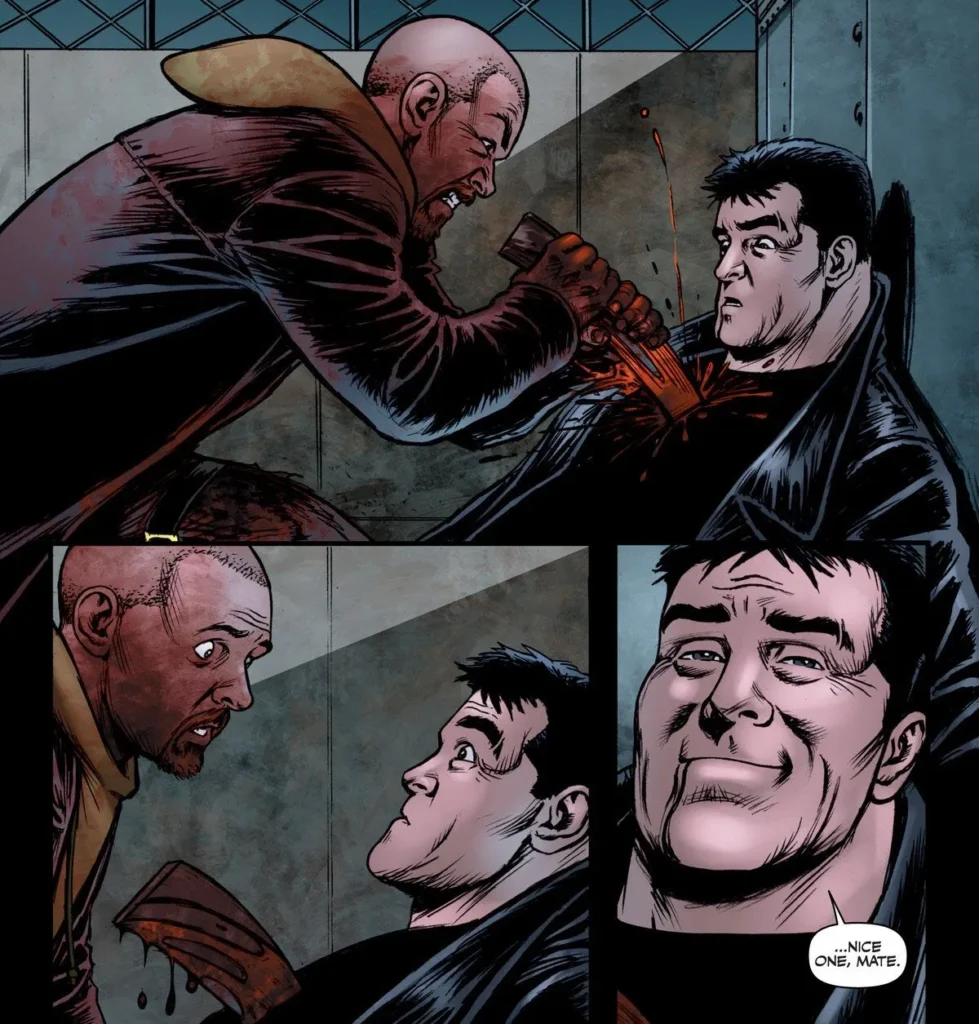
The finale closely resembles the comic storyline known as “The Bloody Doors Off.” In that version, Butcher also attempts a mass genocide of superhumans before being stopped by Hughie, showing how deeply the show still draws from its source material.
However, there are notable differences that help the adaptation maintain its own identity:
- The comics use superhuman-seeking missiles instead of a virus, making the threat more militarized rather than biological
- The final battle takes place at the Empire State Building instead of Vought Tower, shifting the symbolism of power
- Hughie kills Butcher differently in each version (stab vs. shoot), changing the emotional tone of the final act
Even so, the core idea remains the same: Hughie is forced into a devastating moral decision where stopping Butcher means crossing a line he may never come back from. This thematic consistency is what makes the ending so controversial yet impactful.
Although the adaptation has mostly avoided directly copying the comics, this finale sparked debate among fans.
On one hand, some viewers felt the return to the comic ending gave the story stronger thematic closure. On the other hand, many believe it weakened the show’s unique identity.
Additionally, critics questioned Hughie’s decision to confront Butcher alone, especially given the presence of his allies.
However, the episode briefly acknowledges this flaw through Butcher’s warning and Hughie’s later regret, adding emotional weight to the choice.
The finale delivers a powerful and controversial conclusion. It blends emotional storytelling with a direct reference to the source material. Still, the big question remains: should The Boys have stayed more original, or was this comic-inspired ending the right creative choice? The debate is likely to continue as fans reflect on how closely the show should follow its dark and brutal origins.
Stay tuned for the latest updates on Cinema and subscribe to Cine Updates for never ending movie buzz.